Health and Safety Policy for Scotland Removals
 Scotland Removals is committed to maintaining a safe, healthy, and well-managed working environment for everyone involved in our services. This Health and Safety Policy sets out the standards we follow to reduce risk, protect people, and support consistent good practice across all removal operations. We recognise that moving household or office items can involve physical strain, changing conditions, and time pressure, so safety must be built into every stage of the job. Our approach is based on prevention, clear responsibilities, and a strong culture of awareness.
We expect every member of the team to take reasonable care of their own health and safety, as well as that of colleagues, customers, and anyone else who may be affected by our activities. Safety is not treated as a separate task; it is part of how we plan, lift, carry, load, unload, and communicate. By focusing on safe systems of work, Scotland removals can minimise accidents and deliver a dependable service without unnecessary risk.
 This policy applies to all removal work carried out under the Scotland Removals name, including domestic moves, office relocations, packing activities, furniture handling, and storage-related tasks. It also covers temporary or occasional working environments such as stairwells, driveways, corridors, loading bays, and customer premises. The aim is to ensure that every removal service is completed with professionalism, care, and respect for health and safety standards.
General Responsibilities
Management is responsible for providing suitable equipment, relevant training, and clear instructions so that work can be carried out safely. Supervisors must assess tasks before they begin and make sure that team members understand any hazards, including awkward access, heavy items, fragile goods, or weather-related risks. Workers are expected to follow instructions, use equipment correctly, and report anything that could affect safety.
All Scotland removals personnel must remain alert to risks and stop work if a situation becomes unsafe. This includes refusing to lift loads that are too heavy to manage safely, avoiding rushing, and using team lifts where appropriate. A careful, steady approach is essential to protecting people and property. We believe that safe practice supports efficiency, because fewer incidents mean fewer delays and better service continuity.
 Risk assessments are carried out where needed before work starts. These assessments consider the type of property, the items to be moved, access routes, parking arrangements, weather conditions, and the presence of vulnerable surfaces or obstacles. Where appropriate, controls may include additional staff, improved packing methods, protective coverings, or changes to the order of work. The purpose is to reduce risk as far as reasonably practicable.
Safe Working Practices
Manual handling is one of the main risks in the removals industry, so proper lifting technique is essential. Workers should bend the knees, keep the load close to the body, avoid twisting, and ask for assistance when needed. Equipment such as trolleys, dollies, straps, blankets, and ramps should be used wherever they make the task safer. Training and supervision help reinforce these standards across all Scotland removals activities.
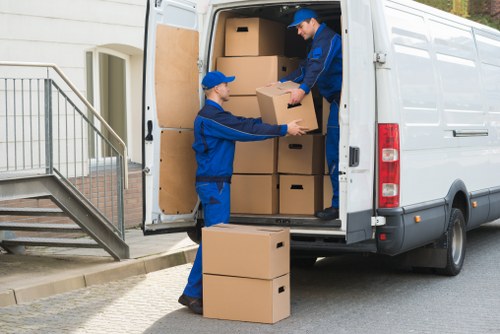
Vehicles and loading operations must be managed carefully. Loads should be secured to prevent movement during transport, and weight distribution should be checked before departure. Drivers must ensure that vehicles are roadworthy, clean, and suitable for the task. Loading and unloading areas should be kept clear wherever possible, and team members should maintain good communication to avoid falls, trapped fingers, or dropped items. Safe loading is a shared responsibility.
Hazards related to slips, trips, and falls should be controlled by keeping walkways clear, managing cables or loose materials, and using suitable footwear. Extra caution is needed in wet weather, during poor lighting, or when moving through unfamiliar premises. If a property has steep stairs, narrow access points, or delicate flooring, these conditions must be considered before work begins. Good planning and housekeeping are key parts of a safe removal process.
Manual handling is one of the main risks in the removals industry, so proper lifting technique is essential. Workers should bend the knees, keep the load close to the body, avoid twisting, and ask for assistance when needed. Equipment such as trolleys, dollies, straps, blankets, and ramps should be used wherever they make the task safer. Training and supervision help reinforce these standards across all Scotland removals activities.
All Scotland removals personnel must remain alert to risks and stop work if a situation becomes unsafe. This includes refusing to lift loads that are too heavy to manage safely, avoiding rushing, and using team lifts where appropriate. A careful, steady approach is essential to protecting people and property. We believe that safe practice supports efficiency, because fewer incidents mean fewer delays and better service continuity.
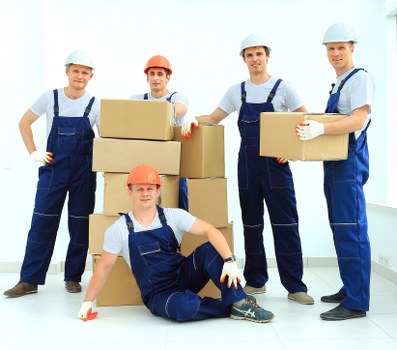 Emergency procedures must be understood by all staff. If an accident, injury, fire, vehicle incident, or near miss occurs, it should be reported immediately and dealt with in line with company procedure. First aid provision should be available where required, and emergency services must be contacted without delay if the situation is serious. After any incident, a review will be completed to identify causes and strengthen controls for future work.
Training, Welfare, and Review
Training is an ongoing part of this policy. New team members should receive induction covering lifting methods, equipment use, communication, hazard awareness, and reporting procedures. Refresher training should be provided when work practices change or when a need for improvement is identified. By investing in training, Scotland Removals supports competence, confidence, and safer decision-making.
Welfare is also important. Staff should be encouraged to take breaks when needed, stay hydrated, and speak up if they feel tired or unwell. Fatigue can increase the likelihood of mistakes, particularly during physically demanding removals. Managers should plan work realistically and avoid placing unnecessary pressure on teams. A healthy workforce is better able to work safely and maintain quality standards.
 This policy will be reviewed regularly to ensure it remains effective, current, and suitable for the nature of our work. Improvements may be made following incidents, operational changes, or feedback from internal safety checks. Everyone involved in Scotland removals is expected to support this policy by working carefully, following procedures, and contributing to a safe and respectful working environment.